Cartagena, Colombia: Why This Historic Coastal City Is a Top Holiday Destination for 2026

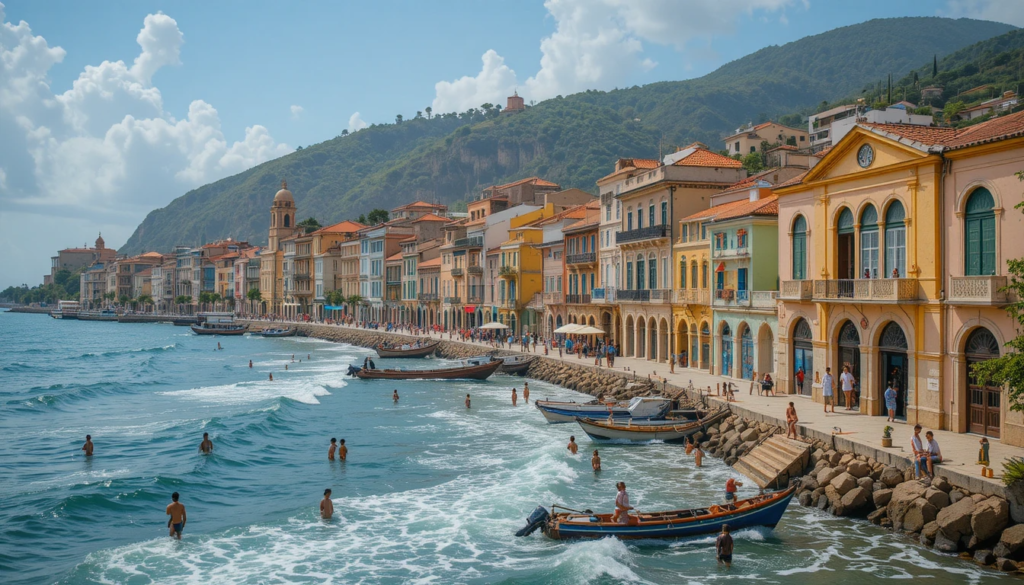
Nestled on Colombia’s Caribbean coast, Cartagena effortlessly blends centuries-old colonial architecture with sun-drenched beaches, creating one of South America’s most captivating destinations. As travellers increasingly seek authentic cultural experiences combined with tropical relaxation, Cartagena has emerged as a must-visit location for 2026. This UNESCO World Heritage city offers something rare: the romance of wandering through 16th-century fortified walls paired with the laid-back rhythm of Caribbean island life, all whilst remaining surprisingly accessible and affordable compared to other Caribbean destinations like Barbados or the Bahamas.
Whether you’re drawn to history, gastronomy, pristine beaches, or vibrant nightlife, Cartagena delivers an unforgettable experience that positions it firmly among the top holiday destinations for 2026.
Why Cartagena Is One of Colombia’s Top Holiday Destinations for 2026
Rich Colonial History & UNESCO Old Town
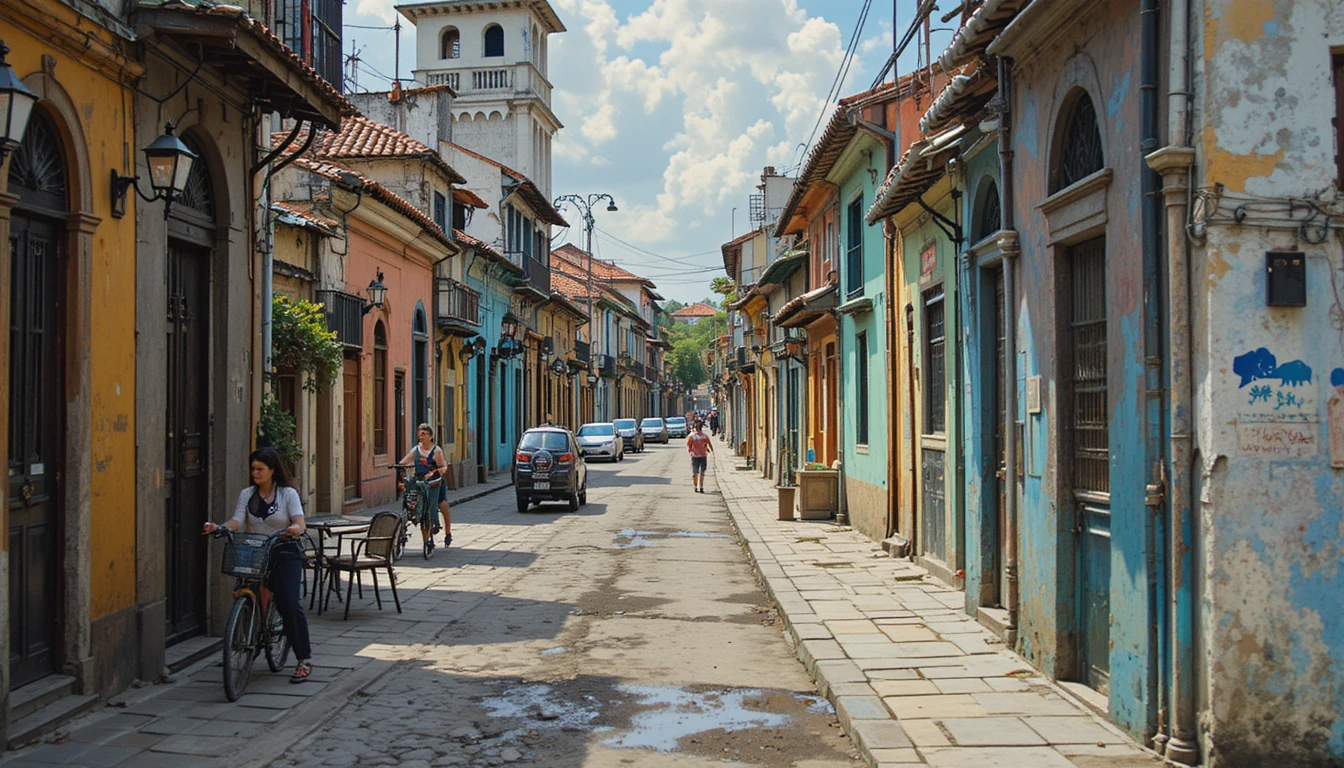
Cartagena’s crown jewel is undoubtedly its Old Town, or Ciudad Amurallada, a remarkably preserved colonial district that transports visitors back to Spain’s golden age in the Americas. Founded in 1533, Cartagena became one of the most important Spanish ports in the New World, and the city’s strategic significance led to the construction of impressive fortifications that still stand today.
The historic centre earned UNESCO World Heritage status in 1984, and wandering its cobblestone streets feels like stepping into a living museum. Colourful colonial mansions with overflowing bougainvillea adorn nearly every corner, whilst grand churches like the Cathedral of Cartagena showcase stunning Spanish colonial architecture. The iconic clock tower gate, Torre del Reloj, serves as the main entrance to the walled city and has become one of Colombia’s most photographed landmarks.
Plaza de Bolívar, the Old Town’s central square, buzzes with life as street performers entertain visitors beneath towering palm trees. Nearby, the Palace of the Inquisition reveals the darker chapters of colonial history through its haunting collection of torture instruments, offering sobering context to the city’s past. For history enthusiasts, Cartagena provides an unparalleled journey through Spanish colonial heritage that rivals similar destinations like Havana or Santo Domingo.
Caribbean Beaches & Island Escapes
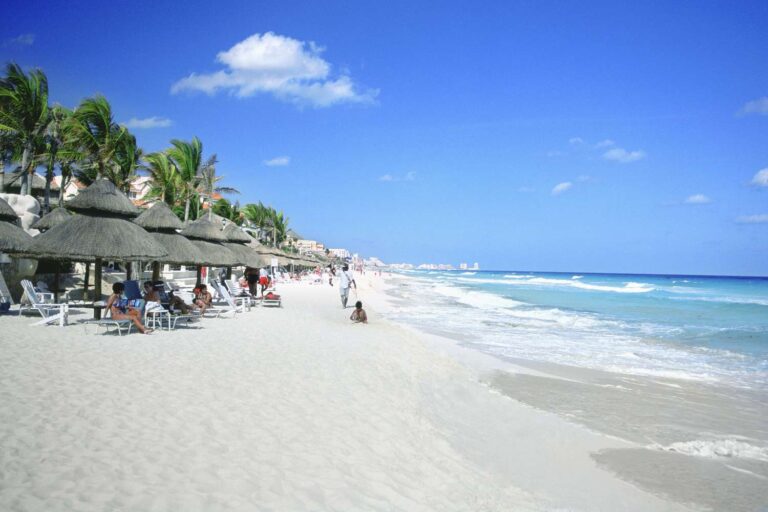
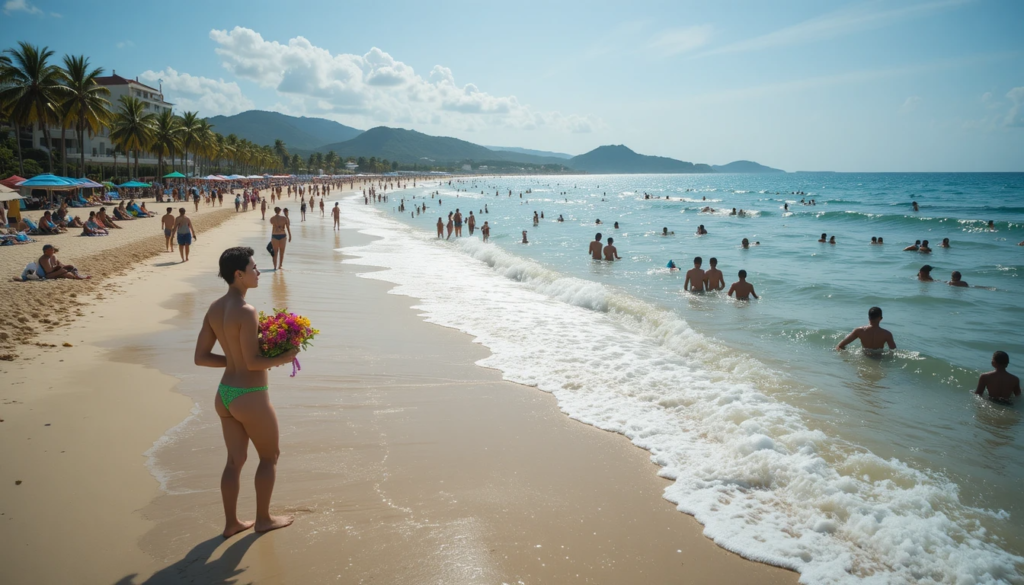
Beyond its historic walls, Cartagena offers access to some of the Caribbean’s most beautiful beaches and islands. Whilst the beaches within the city itself, such as Bocagrande, provide convenient urban seaside relaxation, the real treasures lie just offshore in the Rosario Islands archipelago.
The Rosario Islands, located approximately 35 kilometres southwest of Cartagena, comprise roughly 30 small coral islands surrounded by crystalline turquoise waters. Day trips to these islands rank among the best things to do in Cartagena, with visitors enjoying world-class snorkelling, diving, and simply lounging on pristine white-sand beaches. Playa Blanca on Isla Barú offers another popular beach escape, though increasingly savvy travellers are discovering quieter alternatives to avoid crowds.
For those seeking luxury, private island resorts in the Rosarios provide exclusive Caribbean experiences with boutique accommodation, fresh seafood, and uninterrupted ocean views. The combination of cultural exploration in the Old Town followed by island relaxation creates the perfect balanced itinerary that many Caribbean destinations struggle to match.
Culture, Food & Nightlife
Cartagena’s Afro-Caribbean heritage infuses the city with infectious energy, particularly evident in its music, dance, and culinary scenes. The coastal location means exceptional seafood dominates menus, with fresh fish, lobster, and the region’s signature coconut rice appearing in nearly every restaurant. Street food culture thrives here, with vendors selling arepas de huevo (fried corn cakes with egg), ceviche, and tropical fruits throughout the day.
The dining scene has evolved considerably, with Cartagena now home to several acclaimed restaurants that blend traditional Colombian flavours with contemporary techniques. The Getsemaní neighbourhood, once overlooked, has transformed into the city’s bohemian heart, filled with street art, trendy bars, and live music venues. Here, champeta music—Cartagena’s distinctive Afro-Caribbean sound—spills from doorways as locals dance late into the night.
Nightlife in Cartagena caters to all preferences, from sophisticated rooftop bars offering sunset views over the Caribbean to underground clubs where salsa and reggaeton keep crowds moving until dawn. The city’s compact size means you can easily experience multiple venues in one evening, hopping from a romantic dinner in the Old Town to drinks in Getsemaní within minutes.
Top Things to Do in Cartagena, Colombia
Explore the Walled City (Ciudad Amurallada)
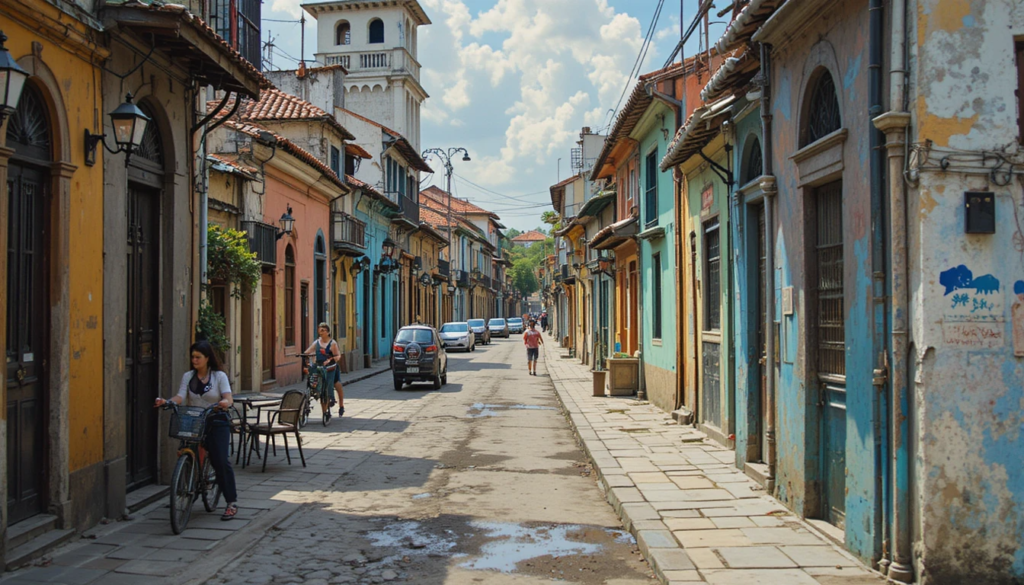
No visit to Cartagena is complete without dedicating significant time to exploring the Ciudad Amurallada on foot. The best approach is to wander without a strict itinerary, allowing yourself to get pleasantly lost amongst the maze of narrow streets. Every turn reveals architectural treasures: wooden balconies draped with flowers, hidden courtyards, artisan workshops, and intimate cafés perfect for escaping the midday heat.
Key sites within the walls include the Church and Convent of San Pedro Claver, dedicated to the Spanish monk who devoted his life to helping enslaved Africans. The building now houses a museum that documents this important history. The Naval Museum provides fascinating insights into Cartagena’s maritime heritage and the naval battles that shaped the Caribbean.
Shopping enthusiasts will find numerous boutiques selling Colombian emeralds, handwoven mochilas (traditional bags), and local artwork. The evening transforms the Old Town into something magical, as golden hour light bathes the colonial buildings and horse-drawn carriages clip-clop past, carrying romantic couples through lamp-lit streets.
Visit Castillo San Felipe de Barajas
Dominating the landscape outside the Old Town, Castillo San Felipe de Barajas stands as Spain’s greatest military engineering achievement in the Americas. Construction began in 1536 and continued for over 200 years, resulting in a massive fortification designed to defend Cartagena from pirate attacks and foreign invasions.
The fortress successfully repelled numerous assaults, most notably the 1741 British siege led by Admiral Edward Vernon, which despite overwhelming forces, failed to capture the city. Exploring the castle reveals ingenious defensive features, including underground tunnels designed to amplify sound and allow communication across the complex, strategic positions offering commanding views, and clever architectural elements that created deadly kill zones for attackers.
Visiting early morning or late afternoon helps avoid both crowds and the intense Caribbean heat. The panoramic views from the fortress provide excellent photography opportunities, capturing both the modern city sprawl and glimpses of the Caribbean beyond. Audio guides available on-site enhance the experience, explaining the military strategies and historical events that unfolded here.
Day Trips to Rosario Islands
Organised day trips to the Rosario Islands typically depart from Cartagena’s marina around 8am, with boats transporting visitors across calm Caribbean waters in approximately one hour. Most tours include multiple stops, allowing snorkelling in coral reefs teeming with tropical fish, beachside lunch featuring fresh seafood, and relaxation time on pristine beaches.
The National Natural Park Corales del Rosario y de San Bernardo protects much of the archipelago, ensuring these marine ecosystems remain vibrant for future generations. Snorkelling here reveals colourful coral formations, sea turtles, and countless fish species in water so clear you can see 15 metres down. Some operators offer stops at the Oceanario, an open-water aquarium where visitors can observe sharks, dolphins, and rays.
For those seeking quieter experiences, private boat charters provide flexibility to explore less-visited islands and create customised itineraries. Whether joining a group tour or arranging private transport, the Rosario Islands represent an essential component of any Cartagena holiday, offering the tropical paradise experience many associate with the Caribbean.
Best Time to Visit Cartagena in 2026
Cartagena enjoys warm tropical weather year-round, with average temperatures hovering around 27-30°C (80-86°F), making it attractive during any season. However, understanding the climate patterns and tourist seasons helps optimise your 2026 visit.
The dry season extends from December through April, representing peak tourist season when Cartagena sees its largest crowds and highest prices. These months offer virtually guaranteed sunshine, minimal rainfall, and perfect beach conditions. December and January are particularly busy as international visitors escape winter weather, whilst Easter week attracts domestic Colombian tourists.
The wet season runs from May through November, characterised by afternoon rainstorms that typically clear quickly but can be intense. Despite the rain, temperatures remain warm and beaches stay accessible. September and October see the heaviest rainfall, though even these months offer sunny mornings. Visiting during the wet season provides significant advantages: substantially lower hotel rates, fewer crowds at major attractions, lush green landscapes, and a more authentic local atmosphere as businesses cater primarily to residents rather than tourists.
For 2026 planning, consider visiting in May, June, or November—shoulder months offering reasonable weather whilst avoiding both peak prices and the heaviest rains. The city’s cultural calendar includes several notable events worth timing your visit around, such as the Cartagena International Film Festival typically held in March and the Independence Day celebrations on November 11th featuring parades, concerts, and festivities throughout the city.
Cartagena Travel Tips for 2026
Safety & Local Transport
Cartagena has made tremendous strides in safety over recent decades and now welcomes millions of international visitors annually without incident. The tourist areas, particularly the Old Town, Bocagrande, and Getsemaní, maintain a visible police presence and are generally very safe for travellers exercising normal precautions. As with any major tourist destination, remain aware of your surroundings, avoid displaying expensive jewellery or electronics, and be cautious in less touristy neighbourhoods after dark.
Getting around Cartagena is straightforward. The compact Old Town is best explored on foot, whilst taxis and ride-sharing apps like Uber and Didi operate throughout the city, offering safe and affordable transport. Always agree on taxi fares before departing or insist the driver uses the meter. For beach areas and the Castillo, short taxi rides typically cost 10,000-20,000 Colombian pesos (approximately £2-4).
The new Transcaribe bus rapid transit system provides air-conditioned buses serving major routes, though most tourists find taxis more convenient. For adventurous travellers, bicycle rentals allow exploration at your own pace, with dedicated bike lanes expanding throughout the city.
Currency & Costs
Colombia uses the Colombian peso (COP), and whilst some tourist-oriented businesses accept US dollars, you’ll receive better value using local currency. ATMs are widespread throughout Cartagena’s tourist areas, dispensing pesos at favourable exchange rates, though be mindful of withdrawal fees. Credit cards are widely accepted in restaurants, hotels, and shops within tourist zones, though carrying cash for street food, markets, and smaller establishments is essential.
Cartagena offers excellent value compared to many Caribbean destinations. Mid-range accommodation costs £40-80 per night, whilst budget travellers can find clean hostels from £10-15. Restaurant meals range from £3-5 for local eateries to £15-25 for upscale dining. Street food costs mere pounds and provides authentic culinary experiences. Day trips to the Rosario Islands typically cost £25-40 including transport, lunch, and activities.
Tipping isn’t obligatory but is appreciated in tourist areas. Restaurants often include a 10% service charge, though adding extra for exceptional service is welcome. Tip tour guides and drivers 5-10% of the tour cost if satisfied with the service.
Where to Stay
Accommodation choices in Cartagena cater to all budgets and preferences, with location significantly impacting your experience. The Old Town offers the most atmospheric stays, with boutique hotels converted from colonial mansions providing authentic historic ambience. These properties often feature interior courtyards, rooftop pools with cathedral views, and convenient access to restaurants and attractions. Prices are premium but the location justifies the cost for many visitors.
Getsemaní, just outside the Old Town walls, has become increasingly popular with travellers seeking local atmosphere and better value. This neighbourhood offers hostels, guesthouses, and hotels at lower prices whilst maintaining easy walking access to major sites. The area’s bohemian vibe, street art, and nightlife appeal particularly to younger travellers and those seeking authentic local interactions.
Bocagrande, the modern hotel district along the beach, provides high-rise hotels with ocean views and beach access. Whilst lacking the Old Town’s character, Bocagrande offers modern amenities, swimming pools, and direct beach access, making it popular with families and beach-focused travellers. The area feels less authentically Colombian but provides convenience and comfort.
For ultimate luxury, consider Cartagena’s historic boutique hotels or the exclusive resorts on nearby islands. Properties like Hotel Charleston Santa Teresa, Sofitel Legend Santa Clara, and Casa San Agustín offer world-class service within restored colonial buildings, whilst private island resorts provide secluded Caribbean paradise experiences.
Why Cartagena Stands Out Among 2026 Caribbean Destinations
When comparing Cartagena to other Caribbean destinations like Barbados, Jamaica, or the Dominican Republic, several factors distinguish Colombia’s coastal gem. The combination of authentic colonial history with Caribbean beaches creates a unique proposition—you can explore UNESCO-protected fortifications in the morning and snorkel coral reefs in the afternoon, a range difficult to match elsewhere in the region.
Cost represents another significant advantage. Cartagena delivers premium Caribbean experiences at prices substantially lower than traditional island destinations. Accommodation, dining, tours, and activities all cost considerably less than similar offerings in Barbados or the Bahamas, allowing travellers to enjoy luxury experiences without luxury price tags.
The cultural richness surpasses typical beach resort destinations. Cartagena’s Afro-Caribbean heritage, Spanish colonial legacy, and modern Colombian identity create a fascinating cultural tapestry reflected in the music, art, food, and daily life. Rather than isolated resort compounds, visitors experience a living city where local culture thrives alongside tourism.
Colombia’s tourism infrastructure has matured considerably, with international flights connecting Cartagena to major European and North American cities, English becoming increasingly common in tourist areas, and service standards rising to meet international expectations whilst maintaining Colombian warmth and hospitality.
Similar to vibrant city life in Medellín, Colombia, or the colourful town of Guatapé near Medellín, Cartagena exemplifies Colombia’s emergence as one of South America’s premier travel destinations, offering experiences that rival and often exceed traditional Caribbean hotspots.
Planning Your Cartagena Holiday for 2026
As 2026 approaches, Cartagena continues positioning itself among the best holiday destinations globally. The city has invested in infrastructure improvements, sustainable tourism initiatives, and cultural preservation whilst maintaining the authentic character that captivates visitors. Direct flights from London, Madrid, and other European cities have increased accessibility, making this Colombian treasure easier to reach than ever.
For those planning 2026 holidays, Cartagena deserves serious consideration whether you seek history, beaches, culture, adventure, or romance. The city delivers all these elements within a compact, walkable area that makes logistics simple even for first-time South American travellers. Week-long holidays provide ample time to explore the Old Town thoroughly, visit the Rosario Islands, experience local culture in Getsemaní, and still find time for sunset cocktails overlooking the Caribbean.
Consider combining Cartagena with other Colombian destinations for a more comprehensive experience. The country’s improved domestic flight network makes it easy to pair a coastal stay with mountain adventures in Medellín or coffee region exploration, creating diverse itineraries that showcase Colombia’s remarkable geographical and cultural variety.
Cartagena’s magic lies not in a single attraction but in the cumulative experience—morning coffee watching the sunrise over the Caribbean, afternoon exploration of centuries-old fortifications, evening strolls through lamp-lit colonial streets, and nights filled with music and dancing. This coastal city offers something increasingly rare in today’s homogenised tourism landscape: genuine character, authentic culture, and experiences that create lasting memories rather than just Instagram moments.
For 2026, as travellers seek meaningful destinations that balance relaxation with cultural depth, accessibility with authenticity, and beauty with value, Cartagena, Colombia stands ready to deliver an unforgettable holiday that rivals any Caribbean destination. The only question remaining is not whether to visit, but when to book your flights to this historic coastal paradise.
Discover more from SmartProductTrends
Subscribe to get the latest posts sent to your email.